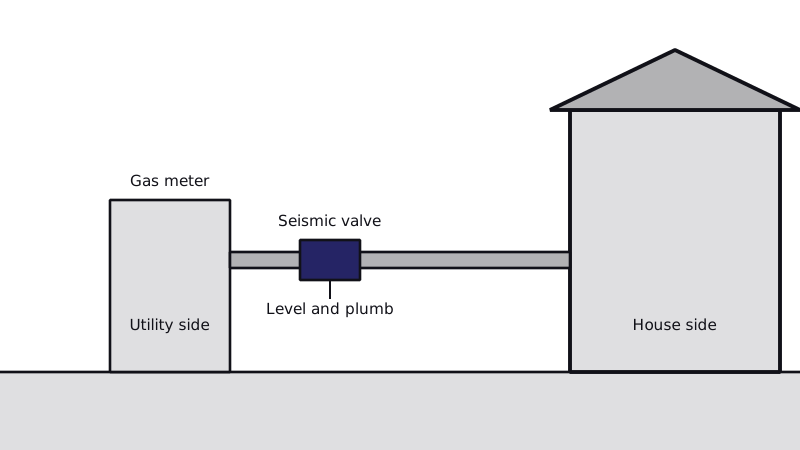
The valve attaches to the gas pipe just past the meter. A plumber opens your gas line, sets the valve level and plumb, pressure-tests the joints and, where a permit applies, books the inspection. Regulated gas piping is not a homeowner project, and we advise against it. The job belongs to the broader gas line plumber service.
Is it possible for me to fit an earthquake gas valve on my own?
In practice, no. The valve is spliced into the home's gas piping, and in California that generally counts as contractor work, often with a permit. A flawed gas joint can leak slowly for years. What you can do yourself is decide where it goes, clear the access and read the manufacturer's instructions together with the plumber.
Some websites claim homeowners may fit these valves. Gas rules come from the state and your local building department, and they vary by city. The Building and Safety counter in Temecula (951-694-6439) can explain how the permit works for an address inside the city. Parcels in unincorporated Riverside County go to the county building department, and addresses in Fallbrook, Rainbow or De Luz belong to San Diego County.
Weigh the downside. An untested gas fitting is exactly the hazard the valve exists to guard against. Wanting to understand the work is fine. Watching the plumber do it is the cheapest way to learn where your own shut off is.
How does a plumber put in the valve?
The plumber closes the gas at the meter or main, opens the line on the house side, fits the valve in the position the manufacturer specifies, tightens the joints using the proper thread sealant, and leak-tests every connection before gas is turned back on. Each model has its own mounting rules, so the manufacturer's sheet governs.
Position is no minor detail. Most seismic valves must sit level and plumb, since they depend on a small internal mechanism that senses motion, and a valve set crooked can trip too easily or fail to trip. It also has to be located where the gas meter and nearby wall can hold it without strain.
Once it is fitted, the plumber relights pilot lights where needed, checks every appliance and confirms the valve is armed. If a permit was issued, an inspector signs off on the work. Get the permit number and the valve's model written on the receipt, since the model is what you will look up later for reset instructions.
Connections to the water heater and other appliances further down the line merit a quick check on the same visit. Corroded connectors are a weak point in a quake, so replace them while the plumber is on site.
What kinds of valve can be installed?
Two kinds matter. A seismic valve closes when ground shaking passes a set level, and an excess flow valve closes when gas moves faster than normal, as it would through a broken pipe. Some homes have one and some have both. The plumber chooses based on the house, and the state generally requires approval for seismic types.
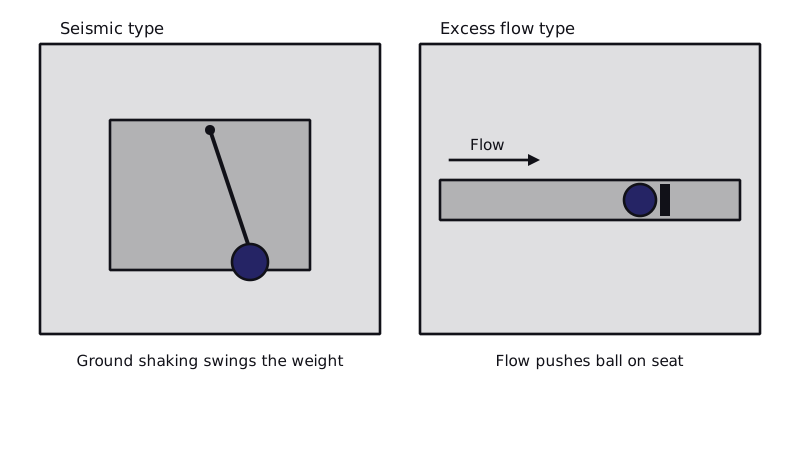
Most buyers mean the seismic type mounted at the meter. Excess flow valves are smaller devices occasionally put on a single appliance line. Not every seismic valve is accepted everywhere, and the state maintains the approval list, so a plumber should name the model and confirm that it appears on the current list. Do not buy a valve on impulse and then hunt for someone to install it.
Take a minute to consider what the valve does not do. It will not stop a slow leak that starts later, it gives no warning of a smell, and a quake-triggered shut off protects the house only when the valve actually moved. Gas appliances and lines still need regular care.
What does earthquake gas valve installation cost?
We have no verified Temecula figure, so we print none. The price turns on the valve model, how easy the meter end of the house is to reach, whether the pipe requires new fittings, whether a permit is involved and the plumber's rate. Ask for a written quote naming the valve, permit and labor.
An easy job on an exposed pipe near the meter is short. Rust, a tight corner, a meter set far from the wall or work that touches several appliances lengthens it. The valve is only one part of the bill.
The gas line cost page lists what drives quotes in general. When you compare two offers, line them up: the same valve type, the same permit handling, the same warranty terms in writing.
What should I do after a quake if the valve closes?
Do not rush to reopen a tripped valve. Sniff for gas first. If you do smell it, leave the building, phone SoCalGas on 1-800-427-2200 from outside, and call 911 should anyone be in danger. With no smell, follow the manufacturer's reset steps, or let a plumber inspect the lines first.
Many valves reset with a lever or button, but the instructions depend on the model. A valve may have closed because of damage downstream, and resetting it without a check sends gas into the same break again. Look for broken appliance connectors, water heater damage and shifted pipes before you reopen.
You may also read about shutting off the gas by hand at the meter with a wrench. Restoring gas at the meter after a quake should happen only on the utility's instructions, so call SoCalGas and ask first.
Whatever the quake, strap your water heater so its gas connection cannot be pulled loose. Our page on emergency shut off valves for earthquakes covers when adding a valve is worthwhile. For a visit, fill in the quote form; other jobs we arrange are on the home page.
Common questions
Is a permit needed to put an earthquake gas valve in Temecula?
Often it does, since the work is on gas piping, but rules differ by city and situation; for example, a valve placed upstream of the meter by the gas company can be treated differently. Ask the plumber who handles the permit, and double-check with the Temecula Building and Safety office on 951-694-6439.
Does SoCalGas fit the valve for me?
Generally not. The utility's ownership ends at the meter, and the valve is on your side, so a plumber normally handles the installation. Call SoCalGas to confirm what it does at your address, and use 1-800-427-2200 only for leaks and emergencies, not for scheduling work.
May I reset the valve on my own after a quake?
Only when the manufacturer's instructions allow it and you smell no gas. Many models are built for owners to reset, but inspect the lines and appliance connectors for damage first. If in doubt, or when you can smell gas, get out of the house and phone SoCalGas, then a plumber.
How long is the installation?
A simple valve on an accessible pipe is typically a short job, often done within a few hours, though no time can be promised. Gas stays off during the work, so expect to lose hot water, the stove and heating for a while, and request an estimate from the plumber.
Does the valve stop every gas leak?
No. It reacts to strong shaking, or to a large flow in the case of an excess flow valve. A slow leak at an appliance can go unnoticed. Learn what gas smells like, keep appliance connectors in good order and treat any smell as an emergency.
Updated